Electric vehicles require motors that can provide substantial torque while operating efficiently over a wide range of speeds. Unlike equipment that runs at a relatively constant load, a vehicle motor has to handle starting, acceleration, cruising, hill climbing, and regenerative or braking conditions. These changing requirements make torque-speed characteristics especially important when evaluating an electric drive motor.
System voltage is one of the first factors to establish. Smaller electric platforms may use lower-voltage systems, while larger vehicles and traction applications may require 48V, 72V, 96V, or higher configurations. A higher-voltage system can reduce the current required for a given power output, but the motor, controller, battery, wiring, and protection components must all be designed to work together.
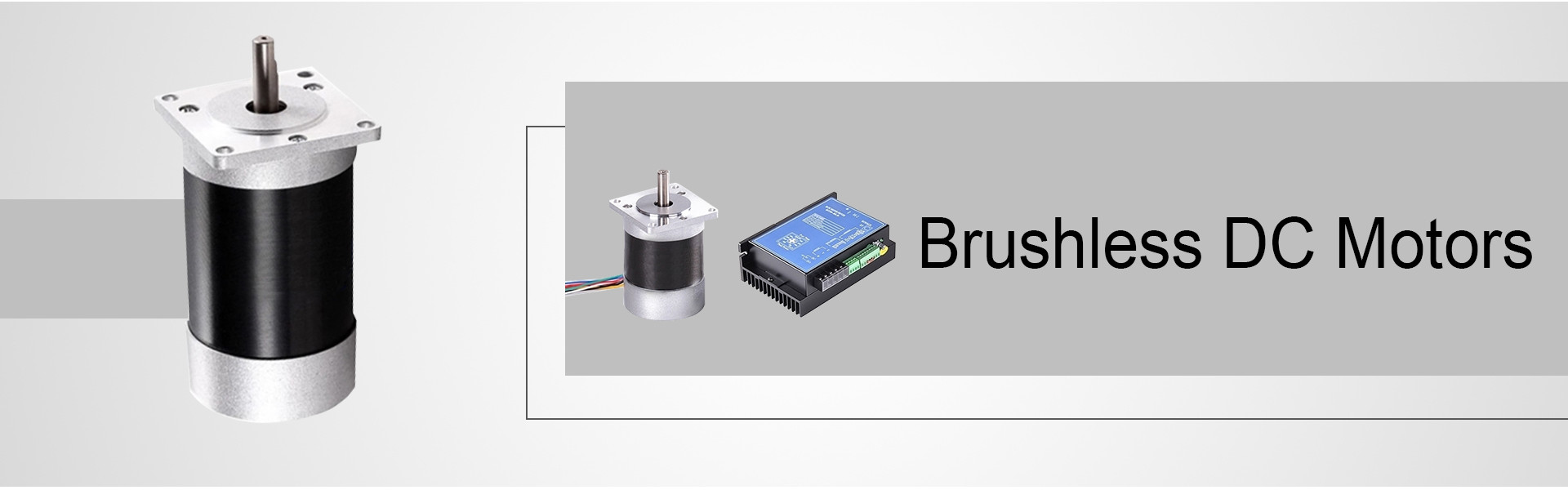
BLDC motors can be suitable for electric vehicle applications because they offer efficient electronic commutation and can provide controlled torque across a useful operating range. The actual motor selection still depends on vehicle weight, wheel size, gear ratio, desired acceleration, maximum speed, and continuous operating conditions. A BLDC electric car motor should therefore be evaluated as part of the complete drivetrain rather than as an isolated component.
Thermal management is another consideration for traction systems because motors may operate under high load for extended periods. The cooling method, installation environment, duty cycle, and available airflow can all affect continuous performance. Engineers should compare continuous and peak output rather than relying only on short-duration maximum ratings.
A properly matched electric drive motor can provide a useful combination of torque, efficiency, controllability, and reliability. Starting with the vehicle's actual mechanical requirements and then matching voltage, motor characteristics, gearing, and controller capacity provides a more dependable basis for selecting a BLDC traction system.